
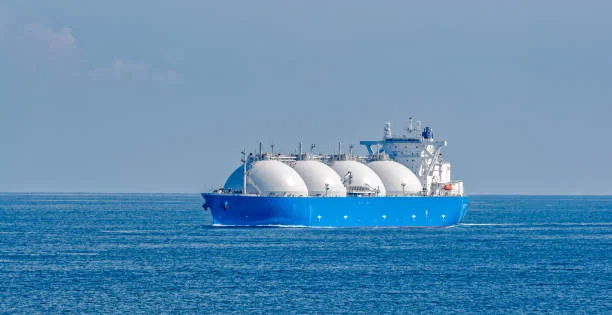
Liquefied Natural Gas (LNG) sits at the center of a heated debate in maritime decarbonization. On one hand, it delivers clear regulatory benefits, i.e., cutting sulfur oxides (SOₓ) and particulate matter to near zero, reducing nitrogen oxides (NOₓ) by up to 85%, and lowering CO₂ emissions by around 20% on a tank-to-wake basis. It’s a ready solution for compliance with IMO’s CII and the EU ETS.
On the other hand, LNG faces mounting climate criticism, chiefly due to methane slip, the unintended release of methane, a potent greenhouse gas. When well-to-wake (WtW) emissions are considered—which account for production, transport, and combustion—LNG’s overall GHG footprint narrows significantly compared to conventional fuels. In some cases, it can even approach parity with marine gas oil if methane emissions aren’t tightly controlled.
Despite this, LNG adoption is growing, backed by infrastructure in over 150 ports and investments from major players. It’s also seen as a stepping stone toward bio-LNG and e-LNG, which promise substantial WtW reductions and alignment with future net-zero targets.
In short, LNG is both a compliance enabler and a climate controversy—a transitional fuel that’s here now, but whose green credentials ultimately depend on how the industry tackles upstream emissions and methane management.