
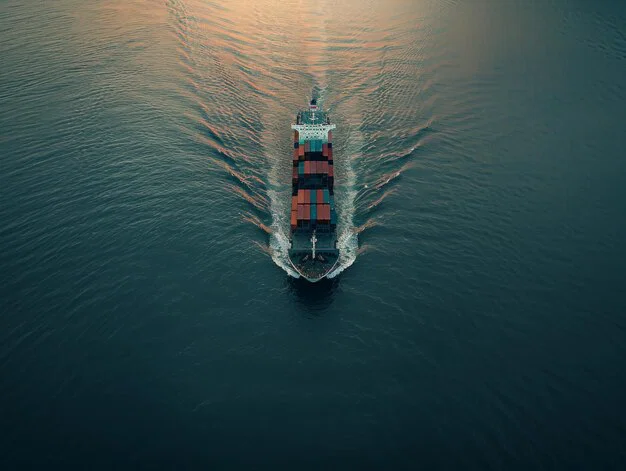
Biofuels in Bunkering: What’s Changing in 2025
The global shipping industry is entering a new phase in 2025, and biofuels are at the heart of it. With the Fuel EU Maritime regulation now in force and the EU ETS expanding, shipowners are looking for cleaner fuels that
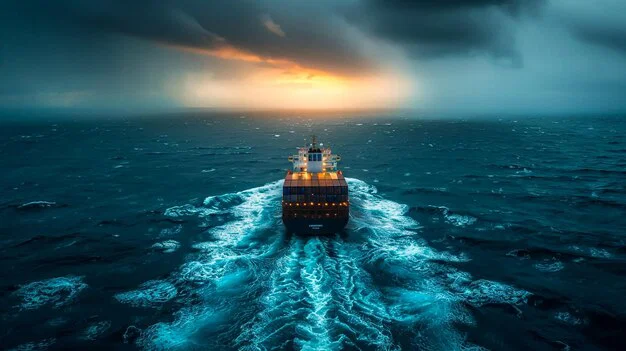
MEPC 83 and the IMO 2028 Framework: A New Chapter for Shipping
The IMO’s 83rd Marine Environment Protection Committee (MEPC 83) meeting has set the stage for major changes in how the shipping industry tackles carbon emissions. At the heart of the meeting was the approval of the IMO 2028 framework, which
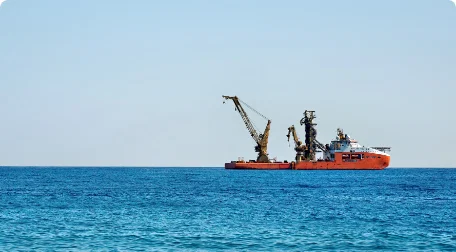
Ammonia: The Zero-Carbon Fuel on Shipping’s Horizon
As the maritime industry accelerates toward net-zero, ammonia is emerging as one of the most promising zero-carbon marine fuels. With no carbon in its molecular structure, ammonia (NH₃) offers the potential for zero CO₂ emissions at the point of use—making
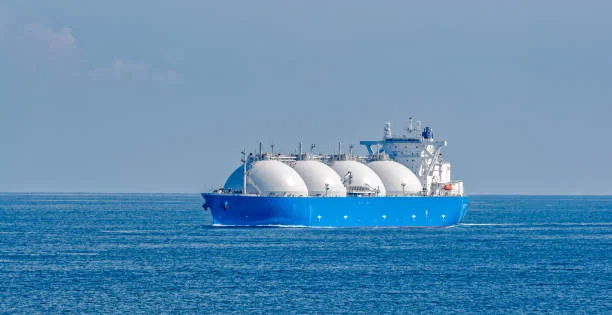
LNG: Between Compliance and Climate Criticism
Liquefied Natural Gas (LNG) sits at the center of a heated debate in maritime decarbonization. On one hand, it delivers clear regulatory benefits, i.e., cutting sulfur oxides (SOₓ) and particulate matter to near zero, reducing nitrogen oxides (NOₓ) by up
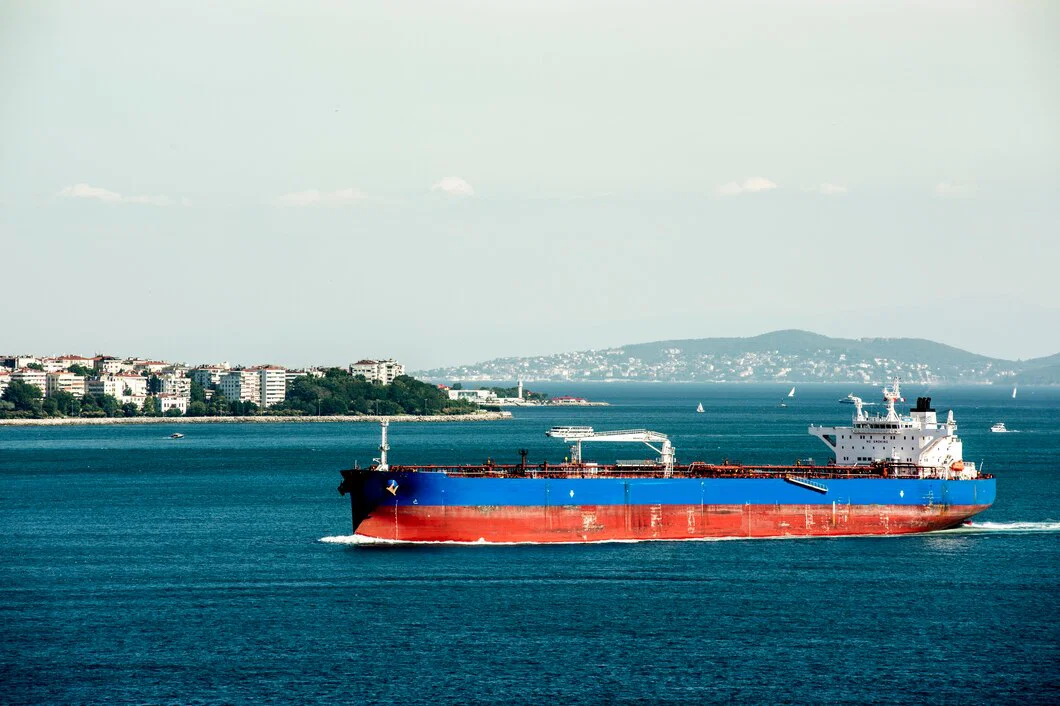
The Methanol Momentum: A Scalable Solution for Green Shipping
As shipping decarbonizes, methanol is gaining ground as a practical, cleaner marine fuel. It’s easy to handle, compatible with existing infrastructure, and when produced from biomass or renewables, offers significant well-to-wake (WtW) GHG reductions. Bio-methanol, in particular, is already in
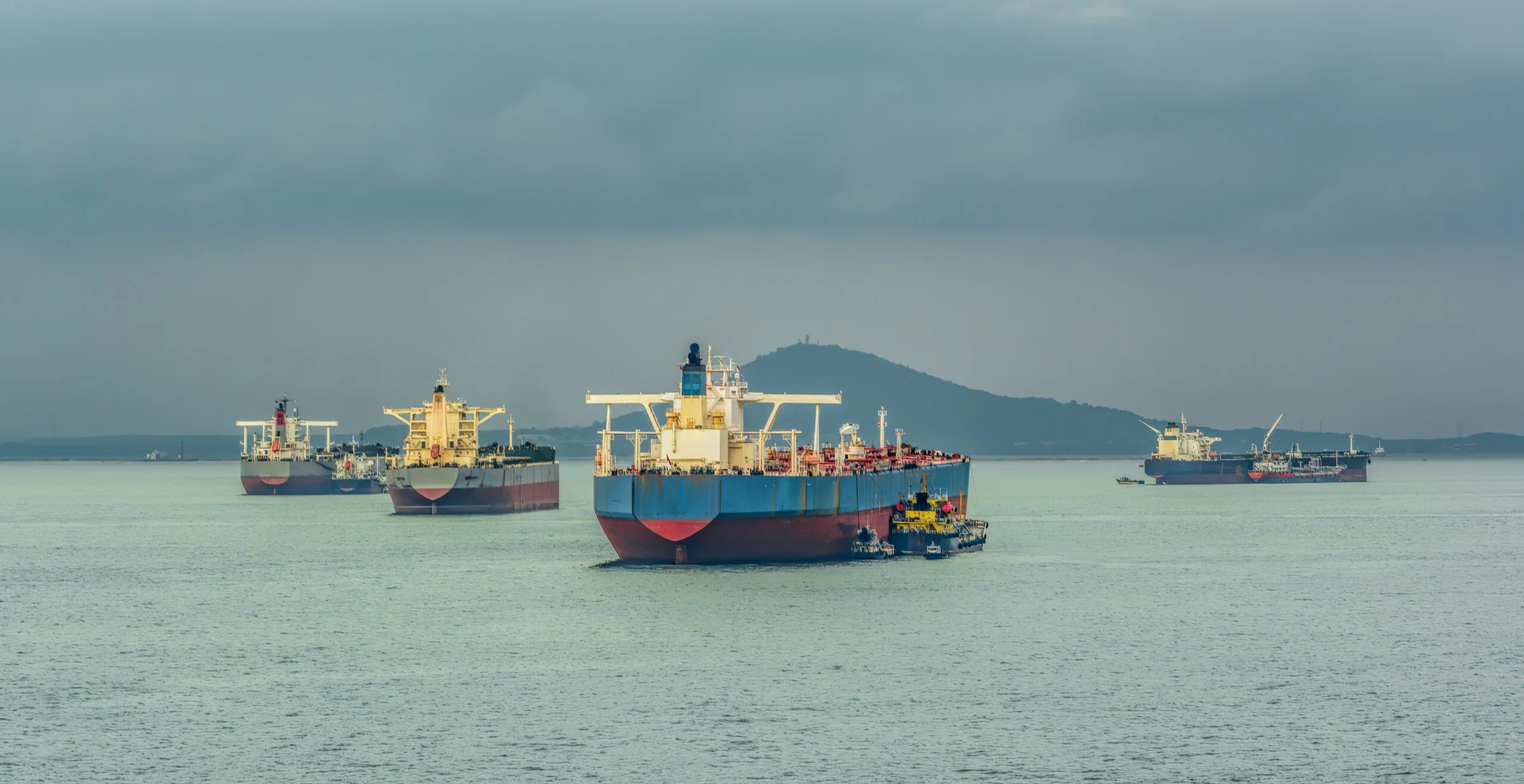
Biofuels: A Smart Step Toward Cleaner Shipping
Shipping needs to cut its carbon emissions, and biofuels offer a smart way to start. They can be used in existing ships with little or no changes, making them a practical option right now. While cleaner fuels like ammonia or
Biofuels in Bunkering: What’s Changing in 2025
The global shipping industry is entering a new phase in 2025, and biofuels are at the heart of it. With the Fuel EU Maritime regulation now in force and the EU ETS expanding, shipowners are looking for cleaner fuels that are ready to use. Biofuels like FAME and HVO offer
MEPC 83 and the IMO 2028 Framework: A New Chapter for Shipping
The IMO’s 83rd Marine Environment Protection Committee (MEPC 83) meeting has set the stage for major changes in how the shipping industry tackles carbon emissions. At the heart of the meeting was the approval of the IMO 2028 framework, which introduces new rules combining a greenhouse gas fuel standard with
Ammonia: The Zero-Carbon Fuel on Shipping’s Horizon
As the maritime industry accelerates toward net-zero, ammonia is emerging as one of the most promising zero-carbon marine fuels. With no carbon in its molecular structure, ammonia (NH₃) offers the potential for zero CO₂ emissions at the point of use—making it a strong contender for future IMO and EU climate
LNG: Between Compliance and Climate Criticism
Liquefied Natural Gas (LNG) sits at the center of a heated debate in maritime decarbonization. On one hand, it delivers clear regulatory benefits, i.e., cutting sulfur oxides (SOₓ) and particulate matter to near zero, reducing nitrogen oxides (NOₓ) by up to 85%, and lowering CO₂ emissions by around 20% on
The Methanol Momentum: A Scalable Solution for Green Shipping
As shipping decarbonizes, methanol is gaining ground as a practical, cleaner marine fuel. It’s easy to handle, compatible with existing infrastructure, and when produced from biomass or renewables, offers significant well-to-wake (WtW) GHG reductions. Bio-methanol, in particular, is already in use, with bunkering operations reported in major ports like Rotterdam
Biofuels: A Smart Step Toward Cleaner Shipping
Shipping needs to cut its carbon emissions, and biofuels offer a smart way to start. They can be used in existing ships with little or no changes, making them a practical option right now. While cleaner fuels like ammonia or hydrogen are still being developed and need new infrastructure, biofuels
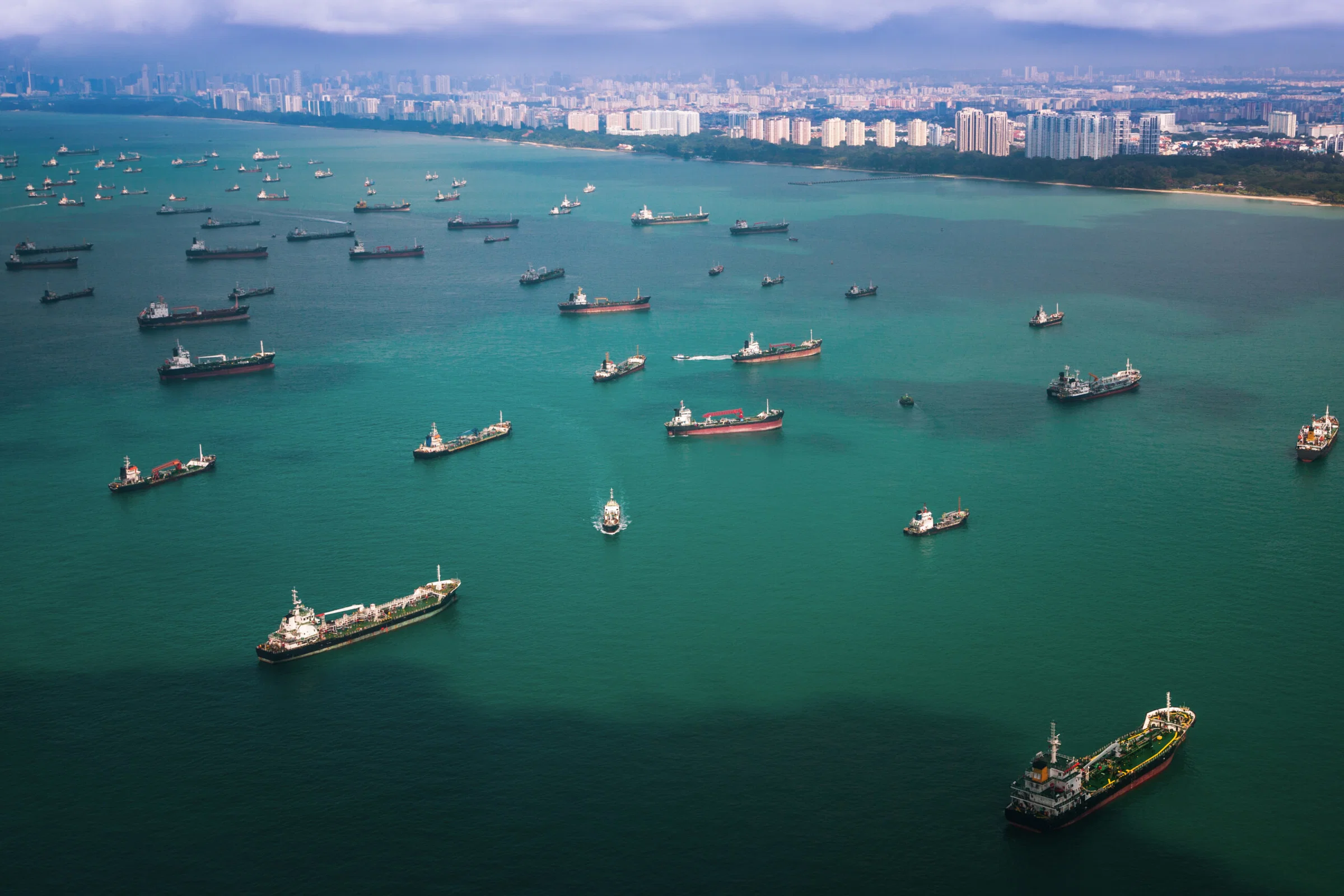
Singapore’s Ever-Evolving Bunkering Landscape
As the world’s leading bunkering hub, Singapore continues to set the pace for global marine fuel standards. Its bunkering landscape is constantly evolving—driven by regulatory reform, technological advancement, shifting fuel preferences, and a growing focus on transparency and compliance. The Maritime and Port Authority of Singapore (MPA) has reinforced its
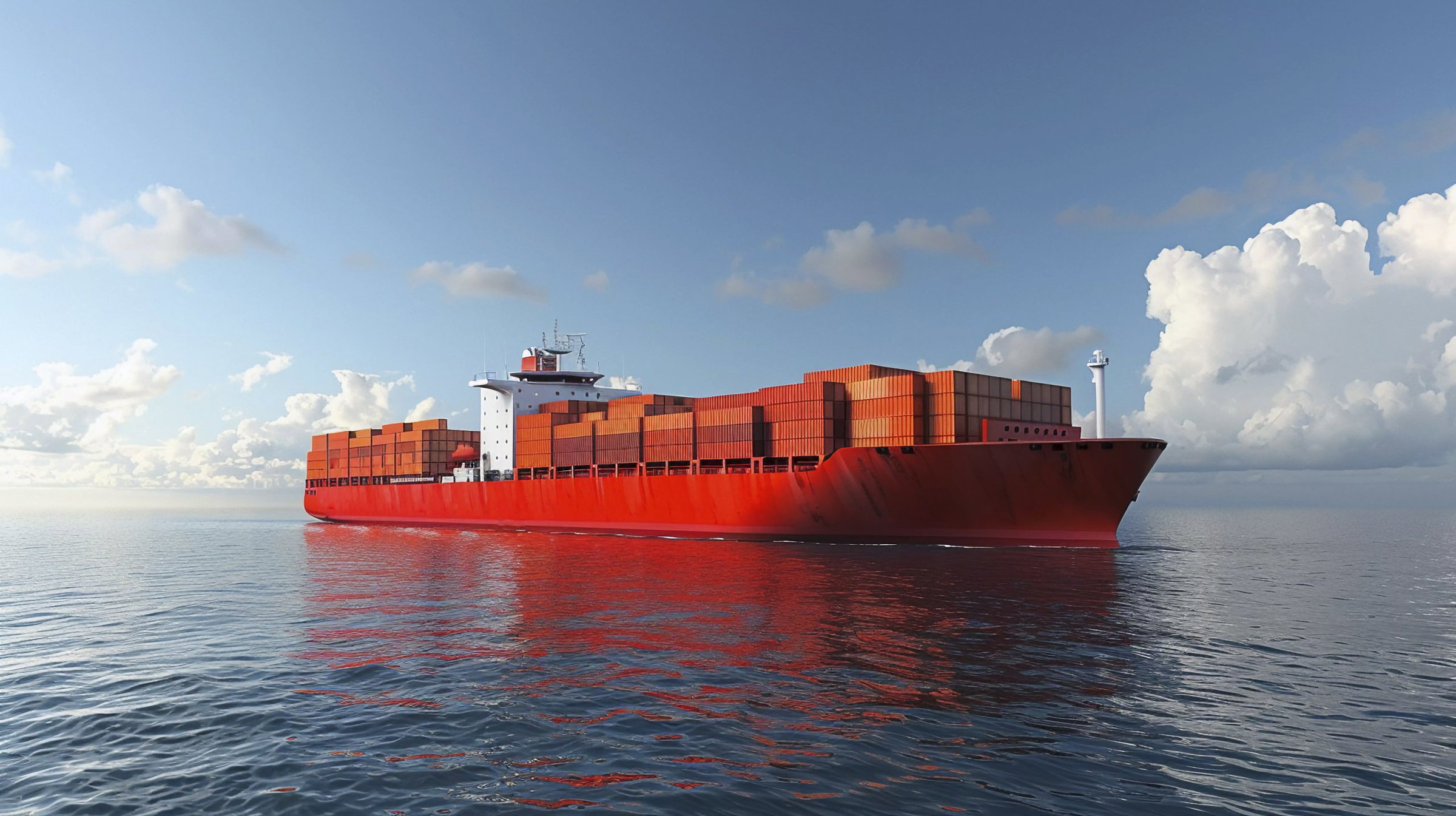
The Shift Towards Cleaner Marine Fuels: What’s Next?
The maritime industry is undergoing a significant transformation as it works to align with global decarbonization goals. Regulatory frameworks like the IMO’s Sulphur cap and carbon intensity targets have accelerated the transition toward cleaner marine fuels, prompting shipowners, charterers, and fuel suppliers to rethink how vessels are powered. Adapting to
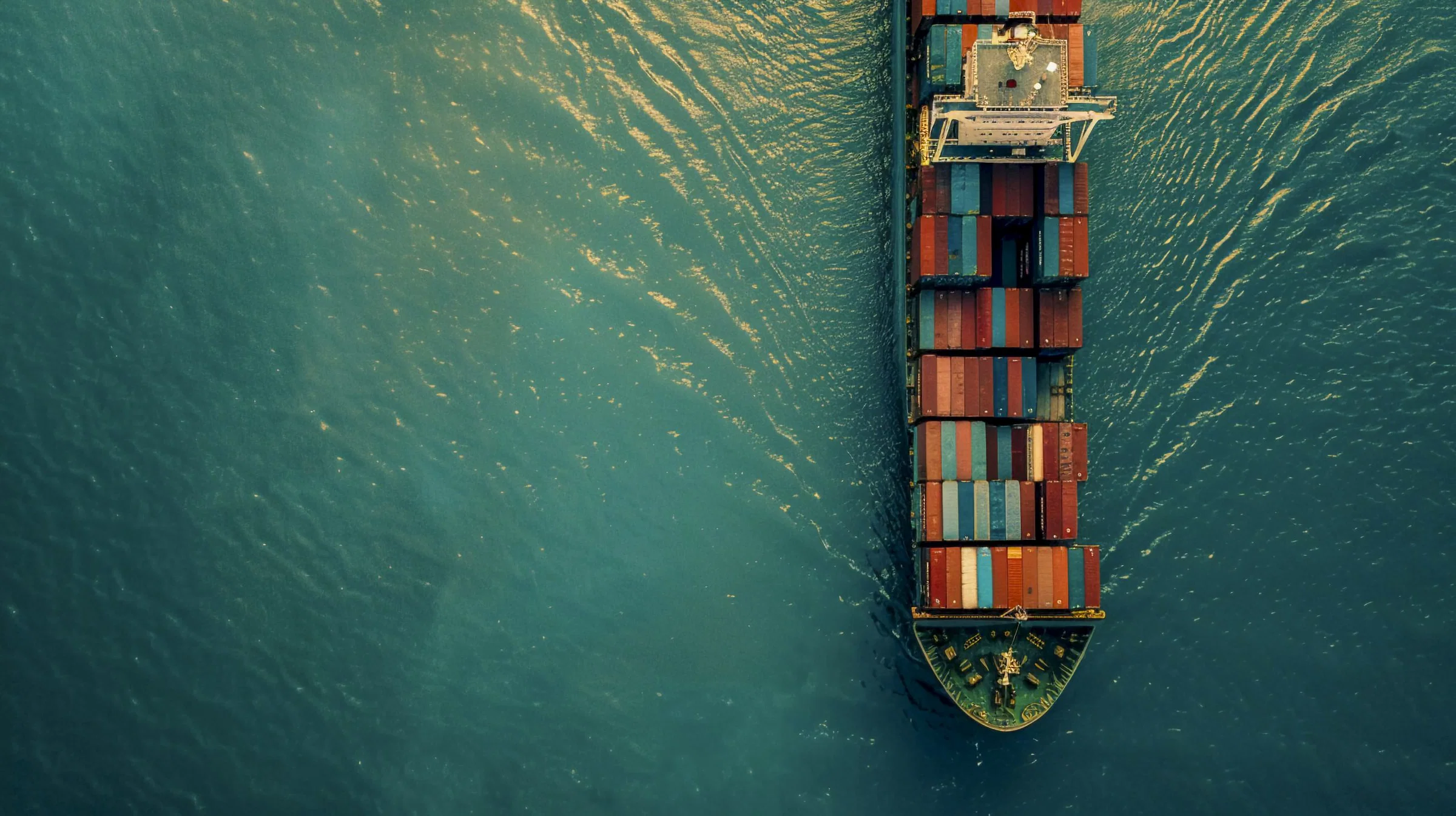
Navigating Bunker Market Volatility: Lessons from 2024 & The Road Ahead
The marine fuel market in 2024 experienced a year marked by significant complexity, driven by a convergence of price volatility, regulatory shifts, and geopolitical uncertainties. What was once a relatively straightforward task—procuring bunker fuel at the lowest possible cost—has now evolved into a multifaceted strategic challenge. Bunker procurement has become